Hood cleaning guide The hood cleaning guide.
What a kitchen exhaust system is, how the cleaning works, and what the paperwork proves. Written for owners and managers, not technicians.
since 1995 Phil Ackland
Certified Cleaned to
NFPA 96 24/7 Emergency
Service
One continuous machine How the system works,
hood to rooftop fan.
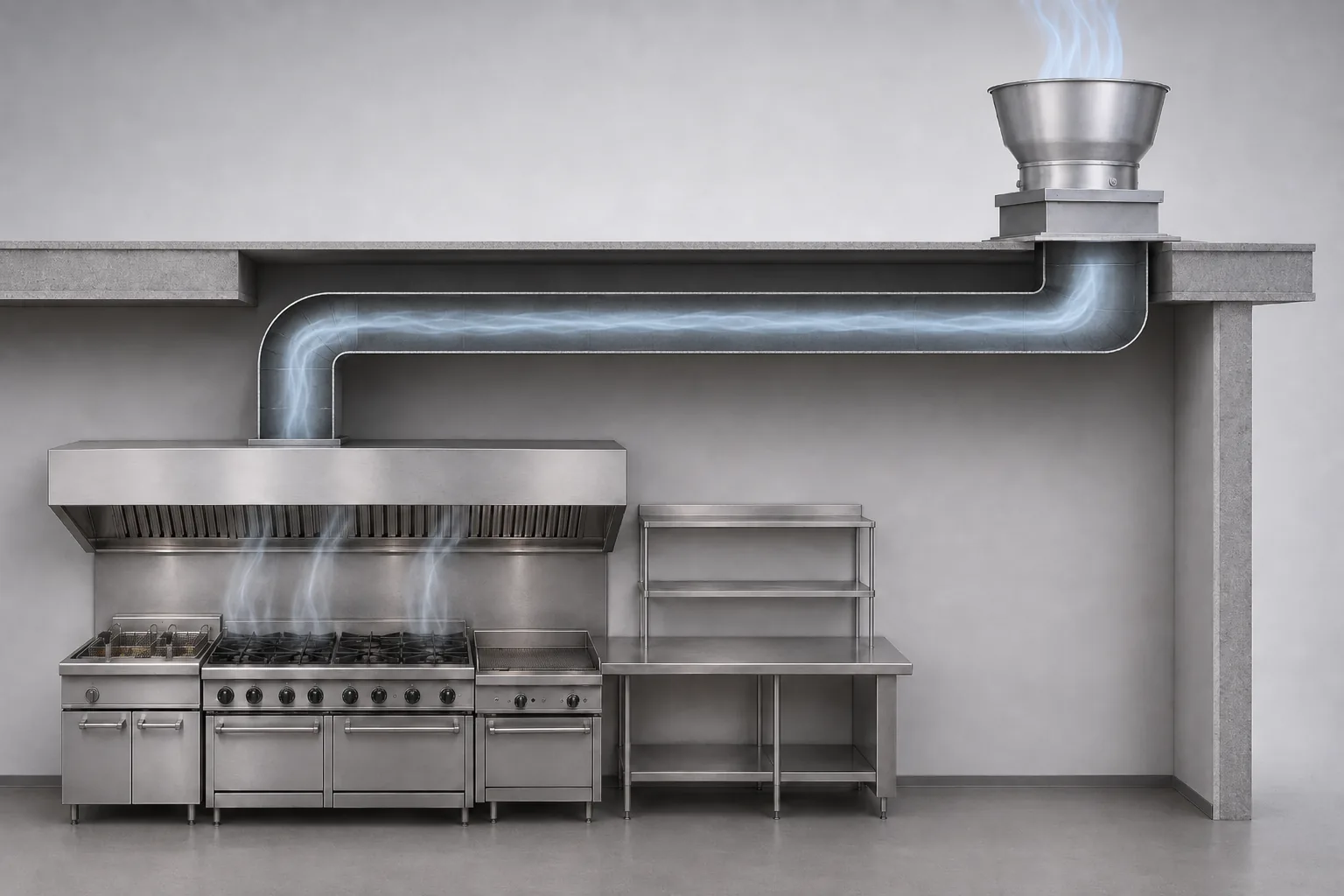
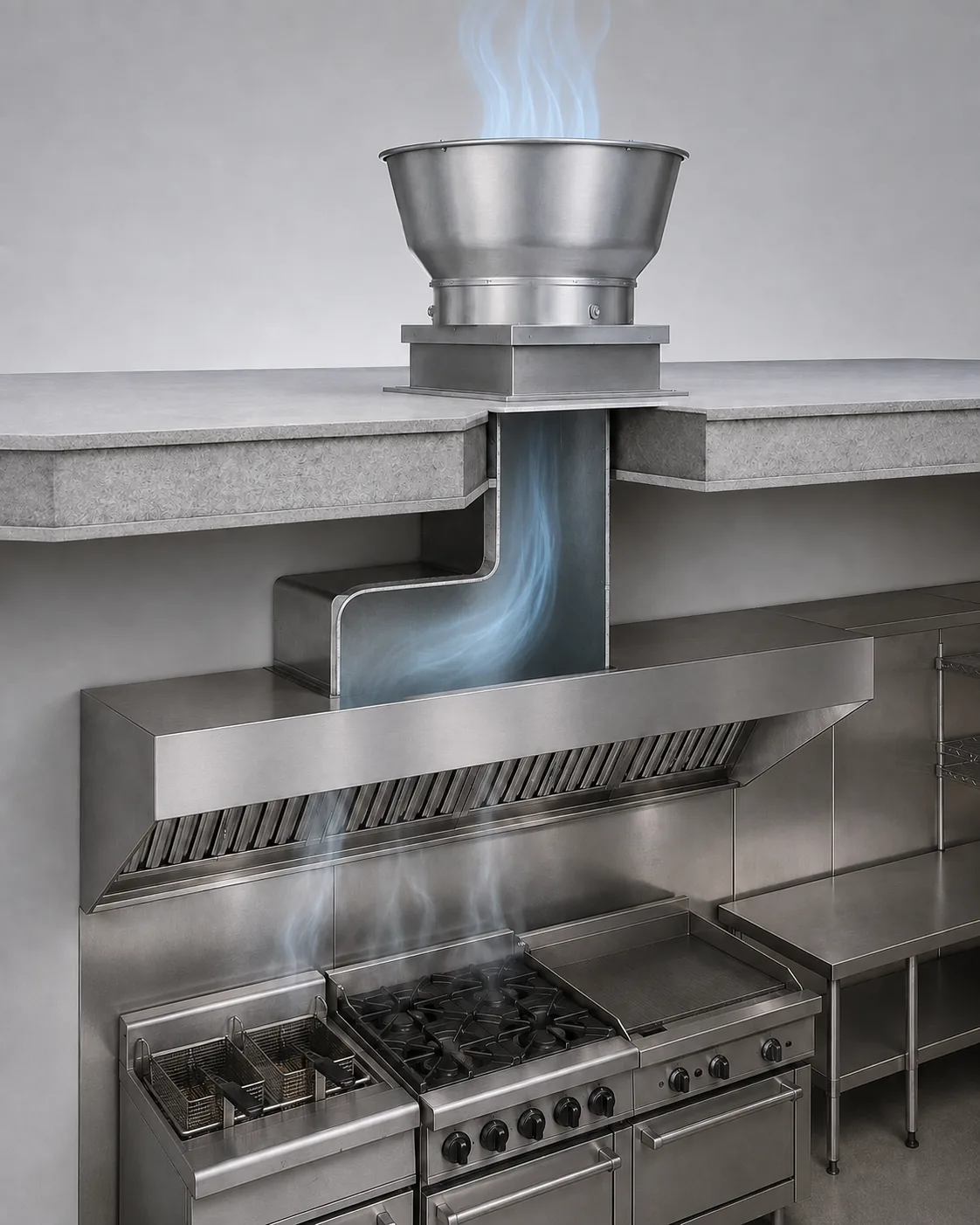
Hot air rises, and grease rides it. Every commercial kitchen exhaust system is one continuous machine built around that fact: the hood catches the vapor, the duct carries it up through the building, and the rooftop fan pulls the whole thing. Nothing on this page is about cleaning yet. This is the machine itself.
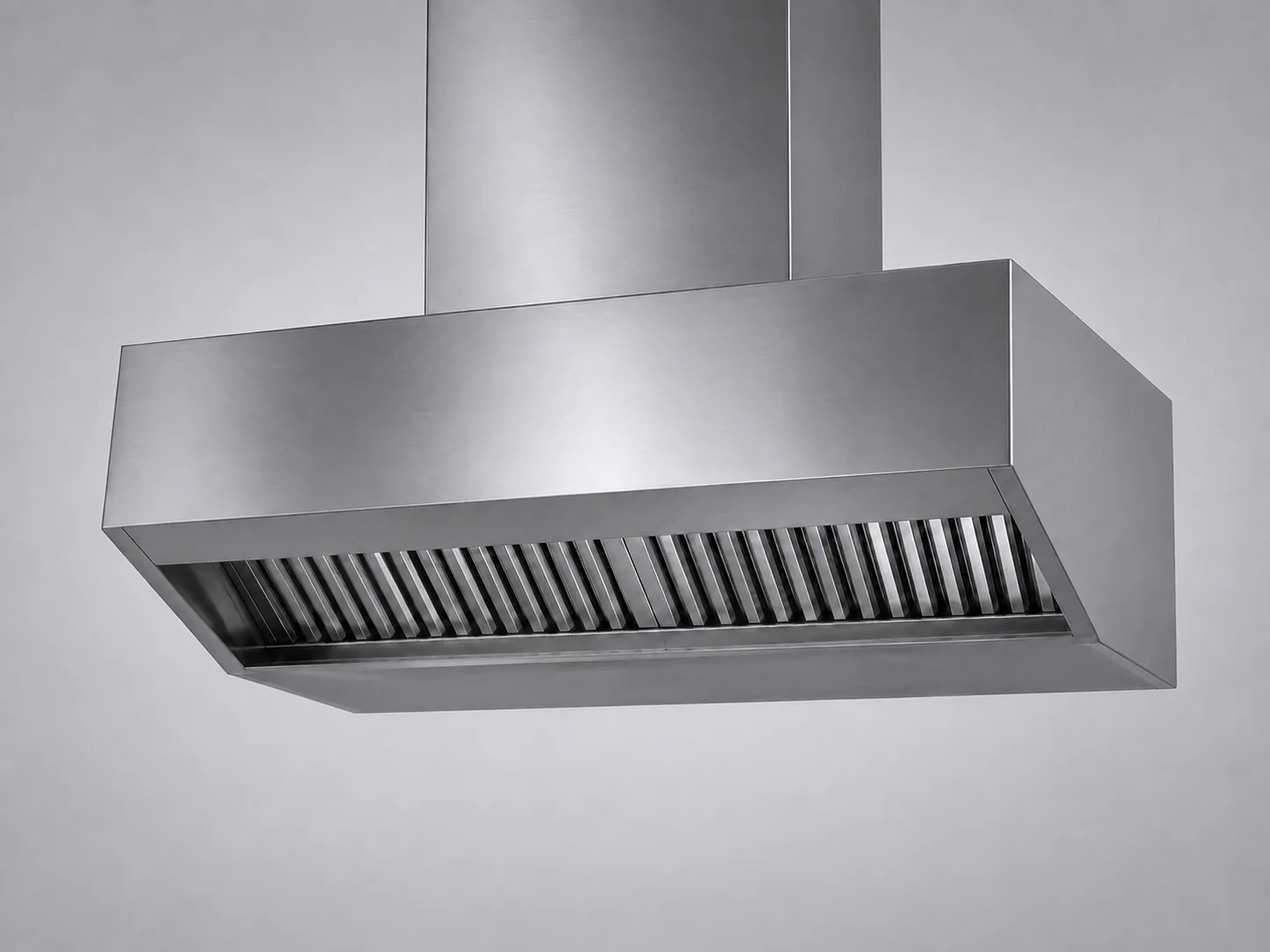
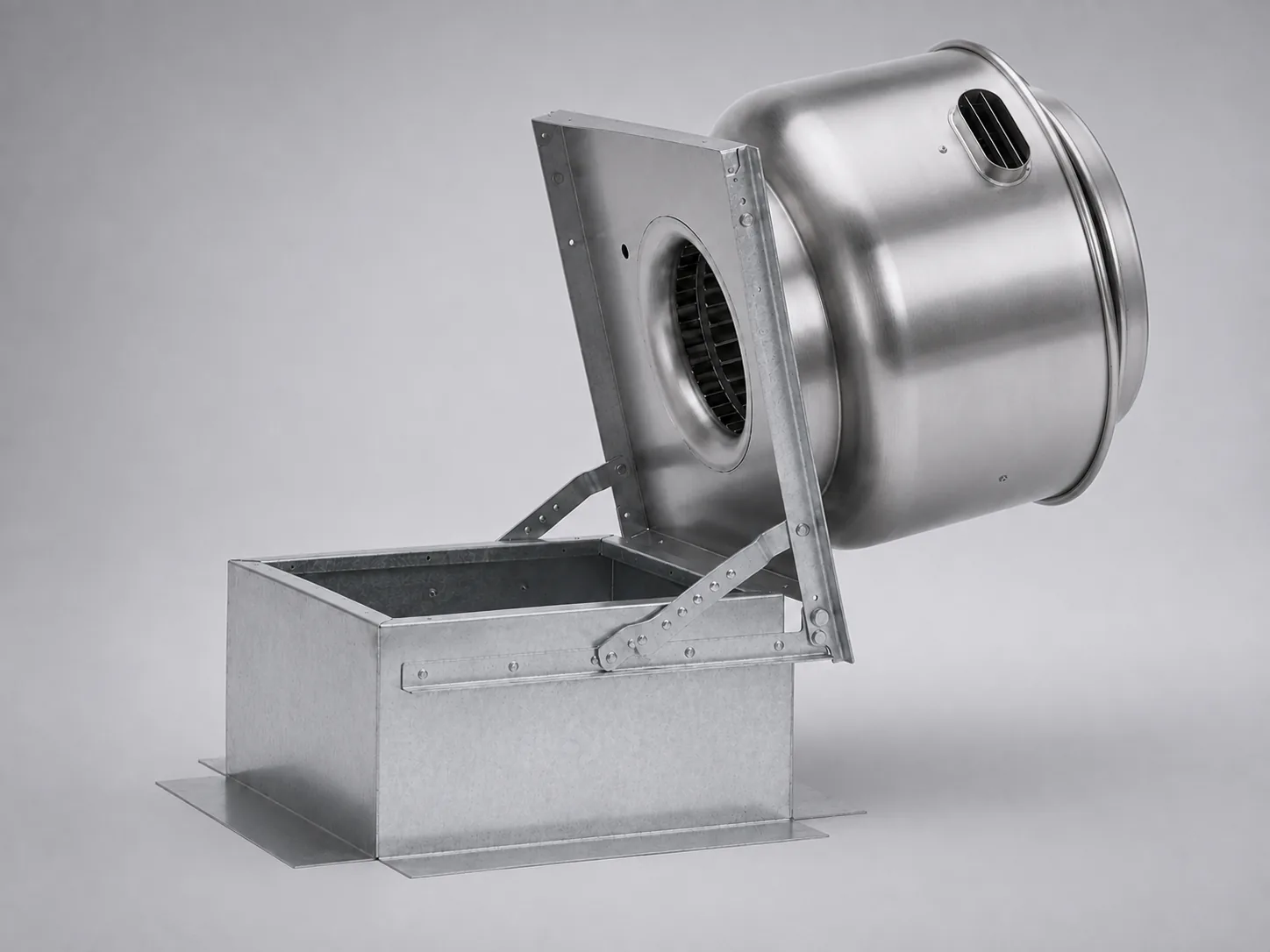
Why this matters: grease hardens at every stop along that route, and hardened grease is fuel. A kitchen fire that reaches a loaded duct stops being a kitchen fire and becomes a building fire. Everything else on this page follows from that one fact.
When you are overdue The warning signs,
plain to see.
A system that needs cleaning usually says so. These are the signals owners notice first.
Shine or buildup on the hood edge, the filters, or the wall behind the line.
Cooking smells that outlast the shift mean grease in the system is holding them.
Smoke escaping past the canopy edge means capture is failing at the filters.
Grease dripping from the baffles back toward the cooking line is past the safe point.
Recognized one of these in your kitchen? That is exactly what the free on-site estimate is for. Request yours →
Inside the visit One visit,
start to finish.
What a service includes: four steps and a paper trail.
- Protected first
Equipment and surfaces are covered before any water moves.
- Washed hood to fan
Hot water and high pressure along the whole accessible path.
- Inspected before it counts
The crew checks the completed work, not just the clock.
- Documented
The Certificate of Performance on the hood, the Service Report in your files.
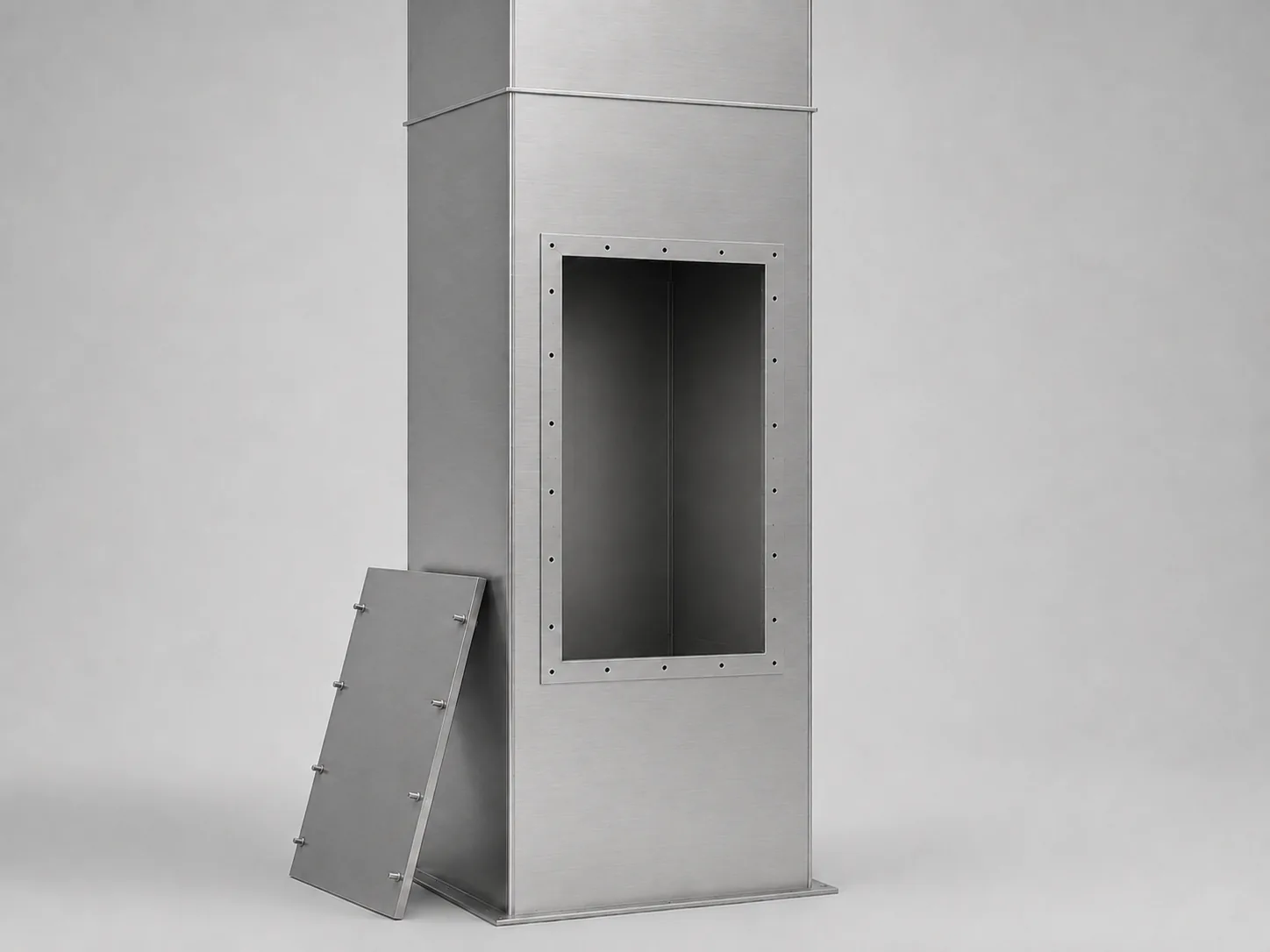
The word to know: accessibleDuct runs without enough openings cannot be fully reached until panels are added. An honest report says what was reached and what was not. If a company never uses the word, be suspicious.
The people who ask for proof Who requires the cleaning,
and why.
Inspects against the fire code and expects to see current proof of cleaning on the hood.
Ties coverage to maintenance. Some policies require quarterly service regardless of code.
Leases in multi-tenant buildings routinely require documented exhaust cleaning.
Brand standards set schedules and expect records kept site by site.
The paperwork The certificate,
and what it proves.
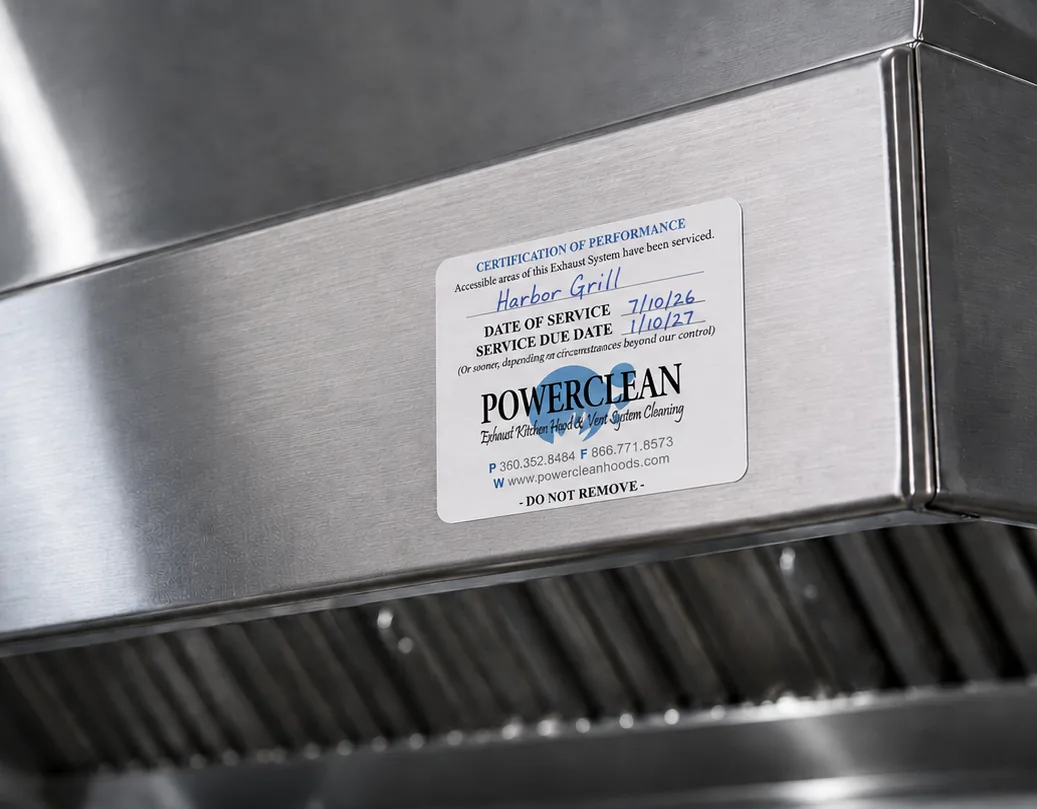
After a service, a Certificate of Performance goes on the hood and a Service Report goes to your files. The certificate is what an inspector looks for first: who cleaned the system, when, and when the next service is due.
How often is your kitchen due? Cleaning frequency depends on your cooking volume, and the schedule comes from the fire code itself. See the frequency schedule on the Fire Code page →
Ready when your kitchen is.
Free estimates across Washington. Send a few photos of your system for a fast quote, or schedule an on-site visit for complex systems.
A member of our team replies within 24 hours.